SPRING / SUMMER 2003


Cybercrime Takes Center Stage in Sessions for
Attorneys General from around the Country


Howard A. Schmidt (second from left), acting chair of President Bush's Critical Infrastructure Board, and NAAG representative Hedda A. Litwin (second from right) visit with (from left) NCJRL members Thomas K. Clancy and Susan Kreston, and Law School Dean Samuel M. Davis.

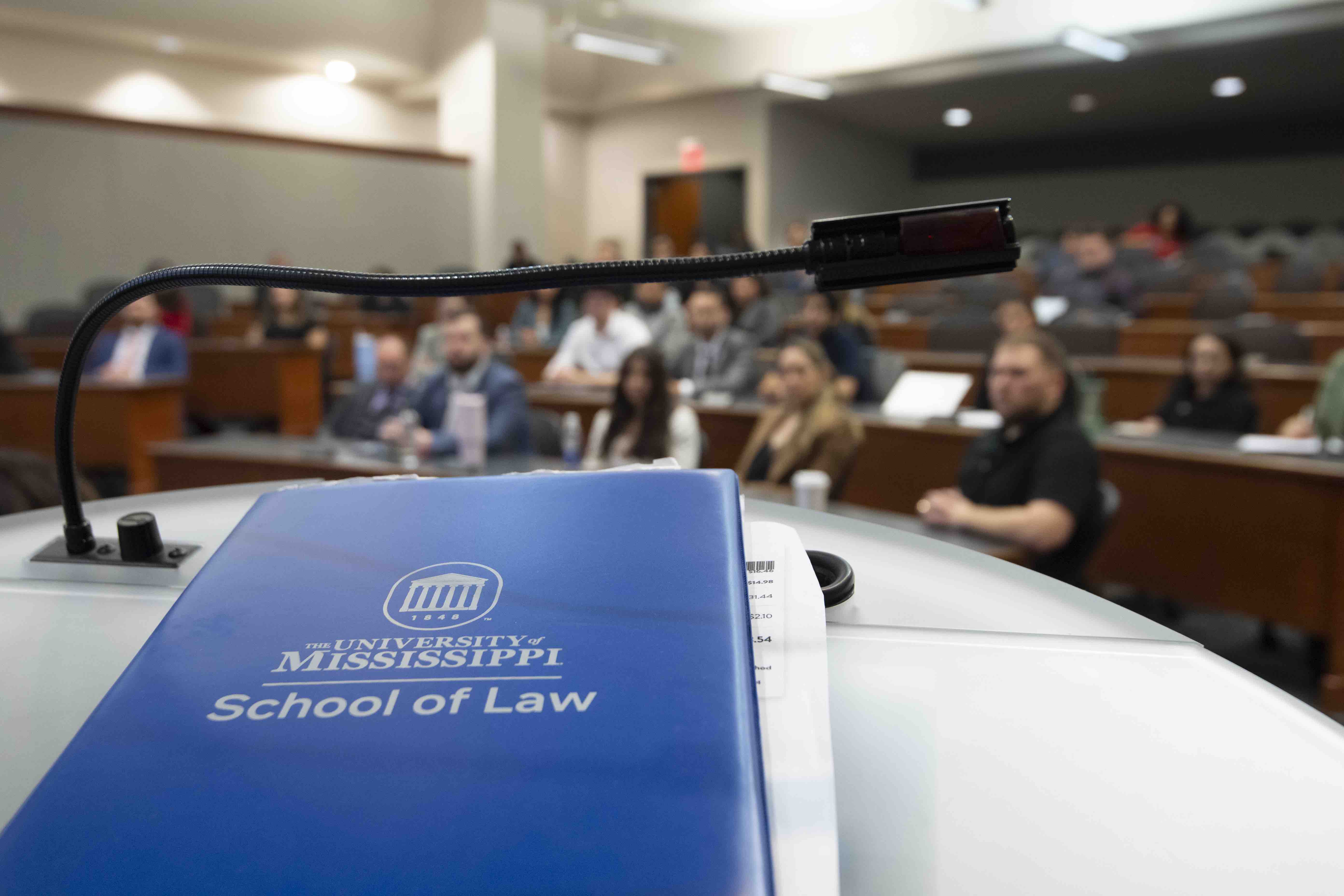
More than 100 prosecutors from attorneys general offices around the country attended cybercrime training in two sessions at the Law School this spring. The ongoing series of programs is under the Cybercrime Training Partnership between the National Association of Attorneys General and the National Center for Justice and the Rule of Law.

The Feb. 3-5 session hosted assistant attorneys general from 45 states and two U.S. territories, while the May 6-8 event enrolled assistants from 37 states and two U.S. territories. Participants were trained in cybercrime issues, including search and seizure, forensics, the psychology of the online child predator, the Electronic Communication Privacy Act, and the Privacy Protection Act.

Howard A. Schmidt, acting chair of President Bush's Critical Infrastructure Board, delivered the keynote address at the February session. "When it comes to cybersecurity, there are not sufficient resources and not sufficient training to go after all the bad guys," Schmidt says. "There are just too many bad guys in too many places doing too many different things."

Cybercrime is a growing trend, particularly among child molesters, child pornographers, identity thieves, hackers, and high-tech con men. These 21st century crimes have far-reaching effects, especially because the same techniques used by domestic con artists may be employed by international terrorists to create large-scale havoc. A computer virus, for example, can bring down vital emergency systems. Schmidt dubs these viruses "weapons of mass disruption."

"Cyberspace is the true nervous system we work on," Schmidt says. "The healthy operation of that nervous system is what makes us successful on a daily basis." "You are on the front lines," Schmidt told the state crime fighters.

The Cybercrime Training Partnership is coordinated by Susan Kreston, NCJRL's counsel for national programs. NCJRL also funds an online cybercrime newsletter as part of its alliance with NAAG.
In another alliance, between NCJRL and Mississippi Attorney General Mike Moore, a statewide Cyber-Crime Center has been formed to aid the investigation and prosecution of Internet crimes in Mississippi. Plans call for the Mississippi center to become a model for other states to use in creating their own operations, says Thomas K. Clancy, director of NCJRL.

Back to UMLawyer Home