SPRING / SUMMER 2003


From Case Histories to Case Law

Medical professionals find J.D. degrees good medicine for their careers

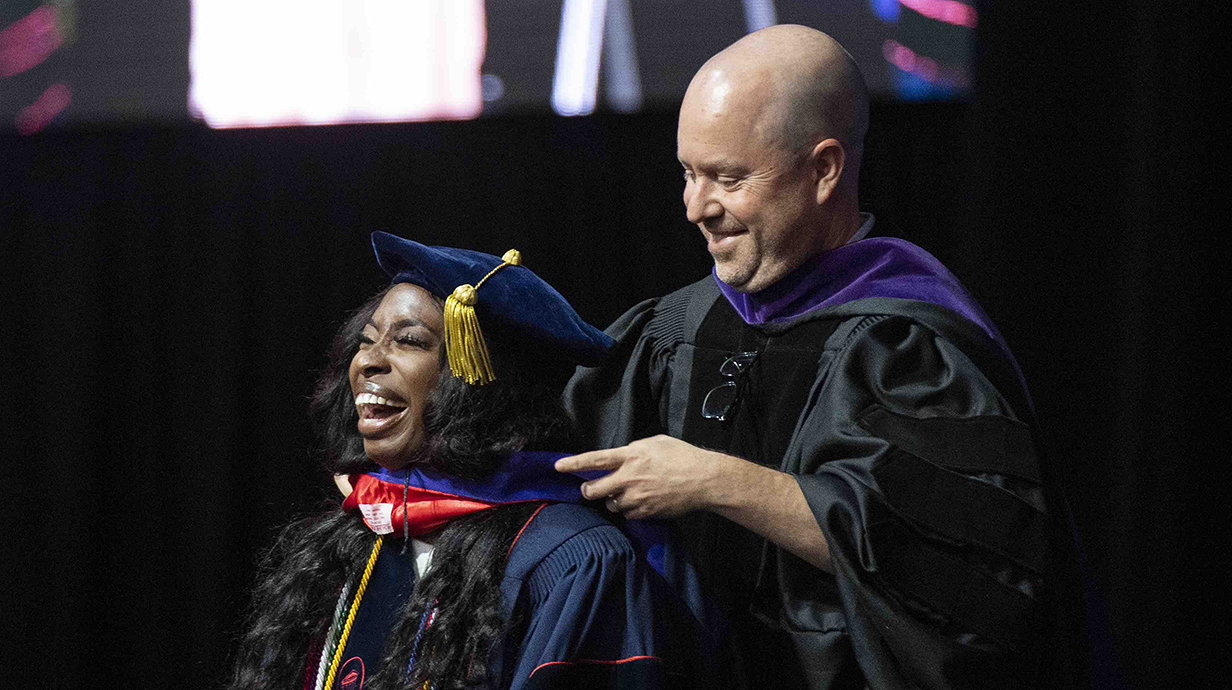
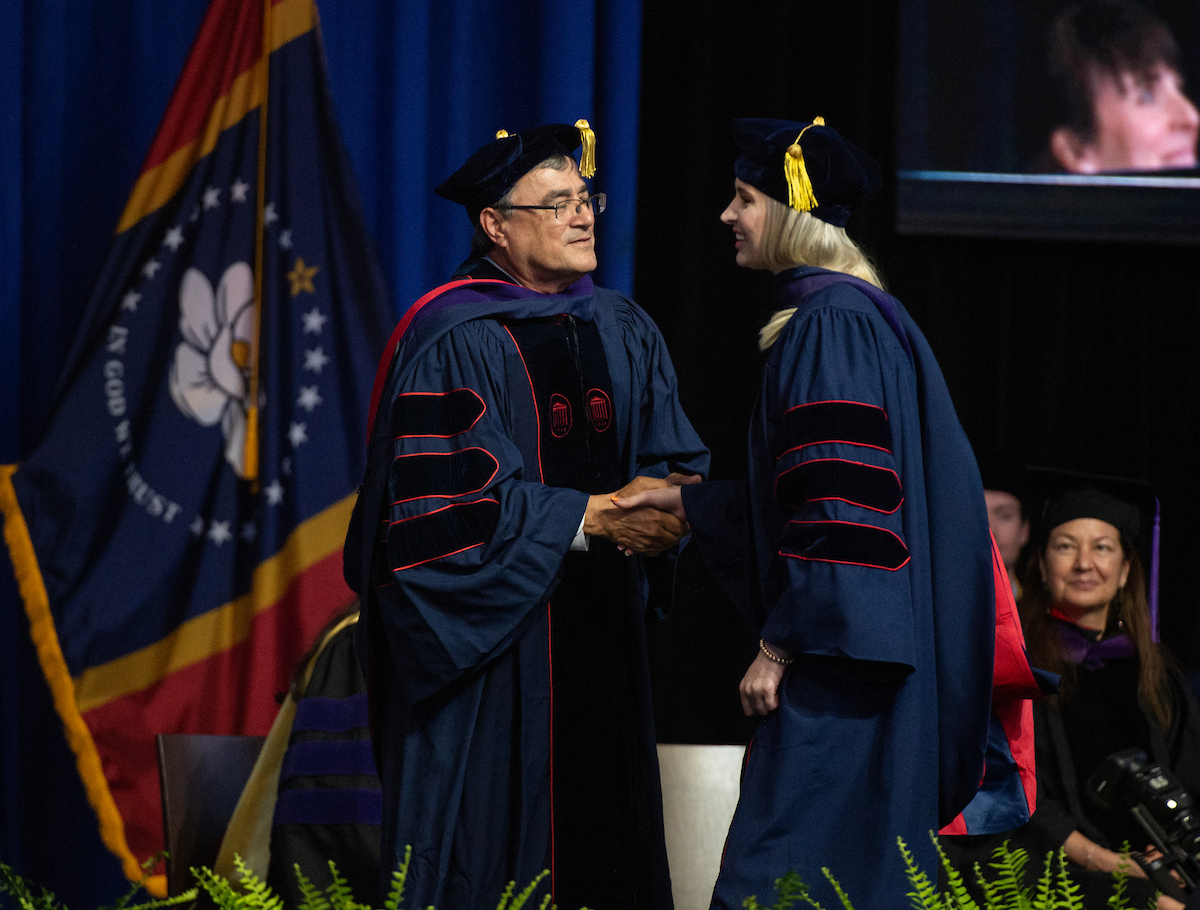
Setting aside white attire and stethoscopes three years ago, two health care professionals received law degrees at the Law School's spring commencement. While law and medicine might seem to represent mutually exclusive career paths, statistics reflect an upswing in the number of career changers from medicine to law.

Joining these ranks are Law School Class of 2003 members Pamela Ratliff, a former nurse from Baldwyn, and Tupelo neurosurgeon Dr. Jimmy Dixon Miller. While Ratliff is poised to join a Jackson law firm, Dr. Miller is mulling his options.

Ratliff says she initially decided to enter nursing because it was a somewhat "family profession."
"Both my parents are nurses, and my sister and I decided to go to nursing school together," she says. "Nursing is a good profession. It's honorable and you can get a job anywhere, so it just seemed like the right choice at the time."

After earning an associate's degree from Northeast Mississippi Community College, Ratliff worked in nursing administration at North Mississippi Medical Center in Tupelo. She says she enjoyed the work, but a lifelong fascination with the law began tugging at her. "After 13 years, it's always hard to change careers, but I decided that if I was ever going to do it, I'd better get moving," she said.

Miller says he chose to attend law school to better understand the medical profession's legal and business principles. A member of the medical profession for more than two decades, he studied pre-med at Ole Miss, then graduated from the UM Medical Center in 1979.

He returned to the Medical Center in 1985 as a resident and later joined the faculty. While there, he studied cranial-cerebral trauma in Scotland and advanced to the center's rank of associate professor. In 1992, he decided to go into private practice, first in Jackson then back in his hometown of Tupelo.

Miller says he enjoyed the challenge of law school and appreciates the unique perspective he now has from both his clinical and academic experiences.
"Going back [to school] as a former faculty member from a professional program, it was not nearly as intimidating," he says. "When I went to school the first time, particularly to medical school, it was kind of scary-the professors were older, and they knew everything. This time around, a lot of them weren't really any older than I am, and I felt like my knowledge was pretty good."

Ratliff, however, says readjusting to the academic routine of a new discipline presented her some difficulties at first. "It's different from the medical and health-related classes, particularly in how you have the one big test at the end," she says. "That part and just getting back into the swing of going to school were the hardest things about it." Miller and Ratliff agree that the most interesting part of law school was studying cases that involved medical issues, which many of their classmates found a bit daunting.

Ratliff plans to take the bar exam this summer, and she has accepted a position in the Jackson office of Armstrong Allen, a Memphis-based firm. She will handle insurance defense cases for the group, which pursued her because of her nursing experience.

Miller-whose wife, Dr. Mary Carol Miller, was a family medicine physician before leaving her practice a few years ago to write books-plans to stick with medicine for a while. He is considering the possibility of becoming a legal consultant for other doctors, but says he's in no hurry to make a major career move. The Millers' daughter, Emily, 19, will be a freshman at Ole Miss this fall, and they have a 16-year-old son, Jim.

But even if he decides to remain a surgeon, Miller says the law school training will be a tremendous professional asset. "I don't think a law degree is ever a waste, no matter what you decide to do," he says. "There are all kinds of things you can use legal expertise for at the hospital, things like risk management and insurance and Medicare. Medicare is getting to be more of a business, and a lot of doctors don't have the legal background to keep up with a lot of the regulations and requirements, so this degree will help me even if I decide to keep practicing medicine."


Back to UMLawyer Home